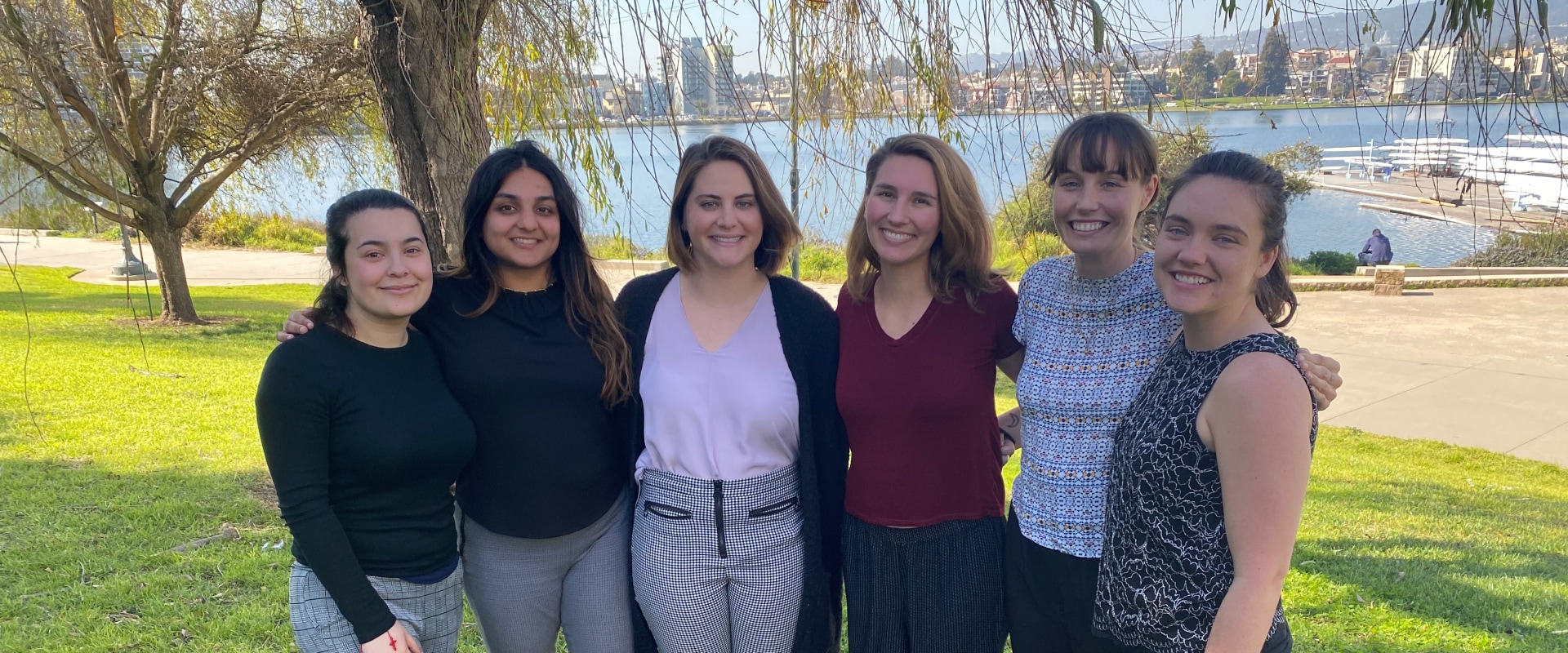
Environmental coalitions in Alameda County have become powerful drivers of community action, policy change, and sustainability initiatives—but what truly elevates their impact is the wide network of partnerships they form with local governments, nonprofits, schools, advocacy groups, and private-sector organizations. These collaborations help unify diverse perspectives, combine resources, and expand the reach of environmental programs. By working across sectors, Alameda County’s environmental coalitions can address climate resilience, waste reduction, clean energy, and environmental justice in a way that is both comprehensive and community-centered. Each partnership contributes unique expertise, making regional environmental progress more achievable and long-lasting.
Partnering With Local Governments for Policy and Infrastructure Change
City agencies and county departments play an essential role in environmental progress, and many coalitions collaborate closely with them to shape long-term planning efforts. Through joint task forces, climate action committees, and community advisory groups, environmental organizations help influence local ordinances related to renewable energy adoption, green transportation, and sustainable land use. Government partnerships also support the development of infrastructure projects such as bike lanes, electric vehicle charging stations, stormwater improvements, and urban greening. Working with public agencies ensures that environmental goals remain connected to official policy, budgets, and implementation timelines.
Collaborations With Schools and Universities
Educational institutions throughout Alameda County are key partners in broadening environmental awareness. Coalitions frequently collaborate with public schools, community colleges, and universities to develop sustainability curriculum, host student-led climate summits, and support campus-based clean energy projects. These efforts not only cultivate future environmental leaders but also link academic research with real-world environmental challenges. Many universities contribute scientific expertise for air-quality monitoring, water conservation studies, and waste-management pilot programs that benefit the broader community.
Nonprofit Partnerships Focused on Environmental Justice
Environmental justice remains a central priority within Alameda County, where disparities in pollution exposure, access to green spaces, and climate vulnerability are well documented. Environmental coalitions often partner with local nonprofits that focus on housing rights, public health, food security, and youth engagement. These partnerships help ensure that sustainability initiatives address the needs of historically marginalized communities. Collaborative programs may include tree-planting in underserved neighborhoods, indoor air-quality education for renters, community-led disaster preparedness training, and incentives that support low-income households in reducing utility costs through energy-efficient upgrades.
Private-Sector and Small-Business Engagement
Businesses across Alameda County increasingly participate in environmental coalition projects, offering funding, volunteers, or technical expertise. Eco-friendly companies may sponsor waste-reduction events, donate materials for habitat restoration, or collaborate on green-building demonstrations. Even organizations outside of typical environmental fields sometimes join in—such as a San Francisco stair lift company that participates in cross-sector initiatives supporting accessibility upgrades and sustainable construction practices. These unexpected partnerships broaden the network of support for environmental programming and highlight how inclusive and varied community collaboration can be.
Community Groups and Volunteer Networks
Grassroots groups, neighborhood associations, and volunteer organizations play a vital role by mobilizing residents and ensuring that environmental actions remain rooted in community needs. Their involvement strengthens outreach for projects like creek cleanups, composting workshops, coastal restoration, and energy-saving campaigns. By combining the expertise of coalitions with the enthusiasm of local volunteers, these collaborations create long-term engagement and foster a culture of environmental stewardship throughout Alameda County.